
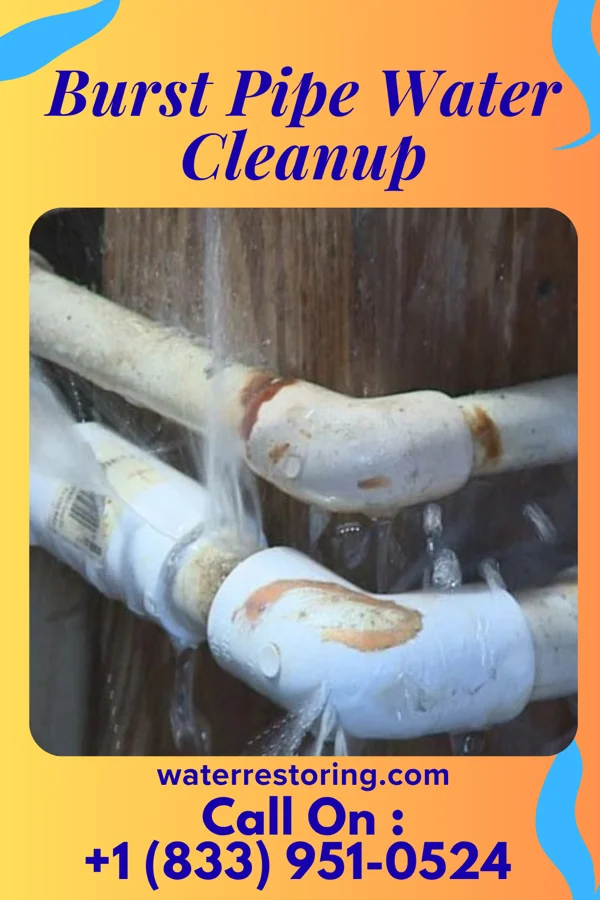
Burst Pipe Damage in Pittsburgh
Property owners across Pittsburgh call certified water damage restoration when Pittsburgh's aging infrastructure, particularly in older neighborhoods like Homestead and Millvale, increases the risk of burst pipes due to corrosion and wear. The city's historical use of cast iron and galvanized steel pipes, combined with frequent temperature fluctuations, makes pipe failure more common in residential and commercial buildings.. A close second is The presence of numerous industrial areas and commercial districts in Pittsburgh, such as Mount Oliver and the North Side, contributes to higher water pressure and stress on plumbing systems. This, along with the city's dense population, means burst pipes can quickly affect multiple properties and require rapid response..
Pittsburgh's climate, characterized by cold winters and frequent precipitation, significantly impacts pipe integrity. The city's unique geography, including hills and valleys, can lead to localized flooding and water pressure changes, increasing the likelihood of pipe bursts.
Pittsburgh's climate, characterized by cold winters and frequent precipitation, significantly impacts pipe integrity. The city's unique geography, including hills and valleys, can lead to localized flooding and water pressure changes, increasing the likelihood of pipe bursts. The dominant local driver is Pittsburgh's aging infrastructure, particularly in older neighborhoods like Homestead and Millvale, increases the risk of burst pipes due to corrosion and wear. The city's historical use of cast iron and galvanized steel pipes, combined with frequent temperature fluctuations, makes pipe failure more common in residential and commercial buildings., with The presence of numerous industrial areas and commercial districts in Pittsburgh, such as Mount Oliver and the North Side, contributes to higher water pressure and stress on plumbing systems. This, along with the city's dense population, means burst pipes can quickly affect multiple properties and require rapid response. showing up as the next most common cause. Damage builds in stages. Spread. Absorption. Microbial growth. Structural compromise. Every stage you pass through adds to the final bill.
For public guidance on the health effects of mold after prolonged water exposure, see the EPA mold and health page.